LED Lighting: what you actually need to know before buying
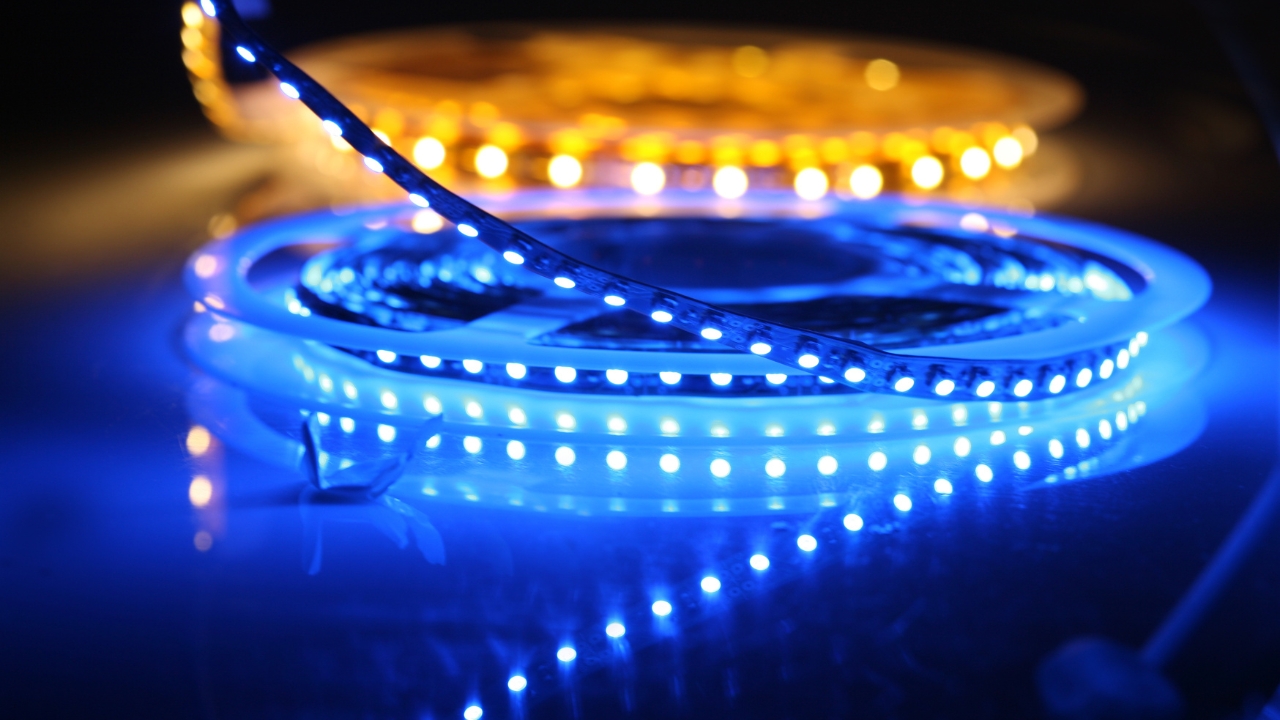
Most people approach LED lighting the same way they approach buying a light bulb: quickly, without much thought, based on price and the shape of the fitting. It works well enough until you install a fixture that hums, produces light that makes everything look slightly wrong, or fails within eighteen months despite the packaging promising fifty thousand hours of life. Understanding a few fundamentals changes the buying experience entirely — and prevents a lot of avoidable frustration.
The technology in plain terms
LED stands for light-emitting diode. Unlike incandescent bulbs, which produce light by heating a filament until it glows, or fluorescent lamps that excite gas to produce ultraviolet light converted to visible light by a phosphor coating, an LED produces light through electroluminescence — electrons release energy as photons when moving through a semiconductor material.
The practical implication is that almost none of the energy consumed by an LED is wasted as heat in the light-producing process itself. An incandescent bulb converts roughly 5–10% of its energy into light; the rest becomes radiated heat. A quality LED converts 30–50% of its energy into light, with the remainder dissipated as heat through the fixture and driver components rather than radiated from the source itself.
This efficiency difference is the foundation of every energy saving calculation associated with LED adoption.
A well-stocked led store carries not just bulbs and fixtures but drivers, controllers, strips and accessories — the complete ecosystem needed for serious installations.
What actually determines light quality
The spec sheet on an LED product contains several numbers, and knowing which ones matter separates informed decisions from guesswork.
Lumens measure light output. Watts measure energy consumption. These two are often confused in advertising, but they measure entirely different things. When replacing an existing light source, look for the lumen equivalent, not the wattage.
Colour temperature, in Kelvin, determines the character of the light. Lower values (2700–3000K) produce warm, yellowish light that most people associate with traditional incandescent lamps and find comfortable in living spaces. Mid-range values (3500–4000K) produce neutral white that suits kitchens, bathrooms and office environments. Higher values (5000K and above) produce cool, bluish-white light that supports alertness and is often used in workshops, medical facilities and commercial environments requiring high visual acuity.
The Colour Rendering Index, or CRI, measures how accurately a light source renders colours compared to natural daylight, on a scale from 0 to 100. This specification is routinely ignored by casual buyers and quietly matters enormously in practice. Under a CRI 80 light source, subtle colour distinctions become difficult to perceive. Under CRI 90+, colours look natural and accurate. The difference is most obvious in retail environments, galleries, restaurants and anywhere that colour appearance affects decision-making or experience.
Driver quality and why cheap products fail
The LED chip itself rarely fails first. The driver — the electronic component that converts mains electricity into the regulated low-voltage DC supply the LED requires — is the weak point in most budget products. A poor driver produces imperceptible flicker, degrades faster under heat stress and often fails well before the LED chip reaches the end of its rated life.
High-frequency flicker below the threshold of conscious perception has been consistently associated with eye strain and headaches during prolonged exposure. Products from reputable manufacturers with clearly stated flicker performance data are worth the premium, particularly in spaces where people spend extended time working or studying.
Strip lighting: where the application complexity increases
LED strip lighting has become one of the most versatile and widely used lighting formats, but it comes with more variables than a simple bulb replacement.
| Strip type | Typical application | Key specification |
|---|---|---|
| Single colour (white) | Under-cabinet task lighting, cove lighting | Colour temperature, lumens per metre |
| Tunable white (CCT) | Living spaces, hospitality | Colour temperature range, controller compatibility |
| RGB | Decorative, entertainment spaces | Controller type, addressable vs non-addressable |
| RGBW / RGBWW | Spaces requiring both colour and quality white light | White channel quality, CRI of white output |
| High-density | Applications requiring uniform glow without hotspots | LEDs per metre, diffuser compatibility |
Strip lighting installations also require matching the strip to an appropriate driver with correct voltage and sufficient wattage capacity, and in longer runs, accounting for voltage drop that causes uneven brightness along the length.
Outdoor LED lighting: the specifications that actually matter outside
Outdoor applications introduce weather exposure as a primary consideration. The IP rating system describes protection against solid particles (first digit) and liquids (second digit). For outdoor fixtures, IP65 — dust-tight and protected against water jets from any direction — is a practical minimum. Fixtures in locations exposed to standing water or submersion require higher ratings.
UV resistance matters for fixtures installed in direct sunlight. Many plastics and housings degrade and yellow under prolonged UV exposure, affecting both aesthetics and performance. Look for materials specified as UV-stabilised.
Temperature range is another outdoor consideration. LED performance and driver longevity are affected by operating temperature. Fixtures intended for cold climates should be rated to operate at the minimum temperatures they will encounter.
Making the most of a complete LED ecosystem
The best LED installations are planned, not improvised. Before purchasing, sketch out what you need: the light output required for the space, the colour temperature that suits the activity, whether dimming is needed, and what control system you want. Buying components separately without a clear plan leads to compatibility issues, return trips to the supplier and results that fall short of what was possible with the same budget spent more deliberately.
Everything from LED strips and bulbs to drivers, controllers and installation accessories: https://leduastore.com/
LED lighting rewards the people who take twenty minutes to understand what they are buying before they buy it. The technology is genuinely excellent when properly specified and installed — it lasts longer, costs less to run and produces better quality light than anything it replaces. The variables are in the details, and the details are learnable.




Opublikuj komentarz