Paphos Beyond the Harbour: A 2-Day Road Trip Through Western Cyprus
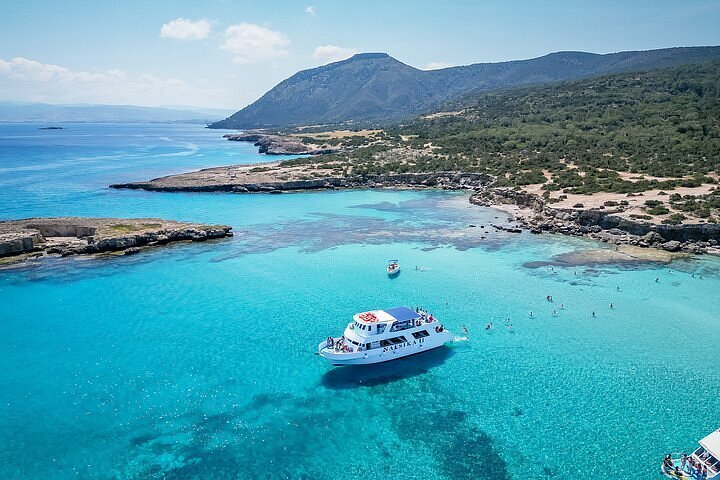
Paphos is often treated as a self-contained holiday destination: hotels near the sea, archaeological sites around the harbour and restaurants within walking distance of the promenade. Yet the city becomes much more interesting when it serves as the starting point rather than the final destination. Within an hour or two, the scenery shifts from Roman mosaics and open coastline to limestone villages, vineyard country, fishing harbours and the green hills above Akamas.
Exploring the region by car makes it possible to connect these places without turning the journey into a tightly timed excursion. Through RentGo Paphos, visitors can compare cars from local rental providers, including selected offers with debit card, cash, low-deposit or no-deposit conditions. The payment method, insurance excess, mileage and handover details vary by vehicle, so the full terms are worth reading before confirming a reservation.
This two-day route shows two very different sides of western Cyprus. The first day follows the island’s ancient history and the coast associated with Aphrodite. The second climbs through the villages above Akamas before descending to Polis, Latchi and the quiet north-western shore.
The Route at a Glance
| Day | Main Route | Key Stops | Suggested Pace |
|---|---|---|---|
| Day 1 | Paphos to Kouklia and Petra tou Romiou | Kato Paphos, Tombs of the Kings, Kouklia, Aphrodite’s Rock | Early archaeological visit, village lunch, late-afternoon coast |
| Day 2 | Paphos to Polis and Latchi | Peyia, Pano Arodes, Drouseia, Polis, Latchi, Baths of Aphrodite | Slow village drive followed by a relaxed coastal finish |
The order can be reversed. On very hot days, the village route is often more comfortable because the higher ground around Pano Arodes and Drouseia can feel cooler than the exposed archaeological sites near the coast.
Day 1: Ancient Paphos, Kouklia and the Coast of Aphrodite
Begin early in Kato Paphos. The first hours of the day are quieter, parking is easier and the open archaeological sites are far more comfortable before the heat settles over the coast.
Kato Paphos Archaeological Park
Leave the car near the harbour and continue on foot. The archaeological park spreads across a large open area containing Roman villas, mosaic floors, columns, pathways and the remains of public buildings.
The mosaics are the best-known feature, but the setting gives the site much of its character. The ruins stand close to the sea, with few modern buildings interrupting the view. It is easy to imagine how closely the ancient city was connected with the harbour and the wider Mediterranean world.
Allow at least two hours. Moving quickly from one mosaic to another misses the scale of the site and turns an atmospheric place into a simple checklist.
Paphos Harbour
After the archaeological park, stay on foot and walk towards the harbour. Fishing boats, excursion vessels and waterfront cafés create a lively contrast with the ruins.
This is a good moment for coffee or an early lunch. The harbour restaurants are convenient, although walking one or two streets back from the promenade often reveals quieter places and more local menus.
The small medieval castle at the end of the waterfront provides an easy final stop before returning to the car.
Tombs of the Kings
The Tombs of the Kings lie a short drive north of the harbour. Despite the name, the rock-cut chambers were not royal tombs. They were created for wealthy officials and important residents during the Hellenistic and Roman periods.
The atmosphere differs completely from the mosaic houses. Broad stairways descend into underground courtyards, columns stand inside chambers cut directly into the rock, and the open coastal landscape makes the site feel unusually spacious.
Bring water and wear shoes suitable for uneven ground. Shade is limited, particularly during the middle of the day.
The Road from Paphos to Kouklia
Leave central Paphos and follow the main road east towards Kouklia. The drive is straightforward, and the dense hotel areas gradually give way to fields, low hills and smaller settlements.
Kouklia occupies the area of ancient Palaipafos, once one of the island’s most important religious centres. Its history is closely linked with the worship of Aphrodite, long before the coastal rock farther east became one of Cyprus’s most photographed landmarks.
Exploring Kouklia
Park close to the centre and continue on foot. The village is compact, with traditional houses, a central square and archaeological remains within easy reach.
The Sanctuary of Aphrodite gives the visit historical context, while the surrounding streets show a quieter, lived-in side of Cyprus that feels far removed from the resort areas of Paphos.
Kouklia does not need a complicated route. A walk through the centre, time at the archaeological site and a long lunch are enough to make it one of the most enjoyable stops of the day.
Lunch in the Village Square
The square is a natural place to pause before returning to the coast. A village meal might include halloumi, olives, dips, grilled meat, seasonal vegetables or a slow-cooked dish served with potatoes.
Ordering several small plates works especially well for a road-trip lunch. It allows time to rest without turning the meal into a heavy stop before the final drive.
Petra tou Romiou
From Kouklia, continue towards Petra tou Romiou, better known as Aphrodite’s Rock. The approach opens onto one of the most recognisable stretches of coastline in Cyprus, where large limestone formations rise from the sea.
Use the designated parking area and pedestrian access. Stopping beside the main road may look quicker, but it is unsafe and unnecessary.
The beach is made up largely of pebbles and stones rather than soft sand. Waves can be strong, and the water is not always suitable for swimming. The real appeal lies in the landscape, the sound of the sea and the changing light around the rocks.
Late afternoon is especially rewarding. The coastline often feels calmer once day tours begin to leave, and the lower sun brings out the colour of the cliffs and water.
A Sensible End to the First Day
Return directly to Paphos rather than adding several unrelated beach stops. By this point, the day already includes a long archaeological walk, another exposed historical site and time in Kouklia.
A relaxed evening in Paphos is more enjoyable than finishing the route tired simply to add another name to the itinerary.
Day 2: Village Roads, Polis and Latchi
The second day feels completely different. The road begins near the developed coast north of Paphos, climbs through the hills above Coral Bay and crosses a chain of quiet villages before descending towards Chrysochou Bay.
The drive is not particularly long, but it rewards an unhurried pace. The pleasure comes from the transitions between places rather than any single headline attraction.
Peyia Above Coral Bay
Drive north past Coral Bay and continue uphill towards Peyia. Beach resorts remain visible below, but the atmosphere changes quickly as the road reaches the older part of the village.
Peyia is a useful first stop for coffee, water or bakery food. The higher streets also offer broad views towards the coast, particularly in clear weather.
There is no need to spend hours here. A short walk through the centre provides a gentle start before continuing towards the Laona villages.
Pano Arodes
The road from Peyia to Pano Arodes passes through open countryside and low, rocky hills. The traffic becomes lighter, the buildings more traditional and the coastal development disappears behind the landscape.
Pano Arodes is built from pale local stone and arranged around a quiet village centre. There are no large attractions demanding attention, which is exactly why the stop works so well.
Park outside the narrowest streets, walk through the square and continue into the surrounding lanes. Small churches, shaded courtyards and old houses appear naturally without the need for a marked sightseeing trail.
Half an hour is enough for a gentle walk, although the village can easily hold visitors longer when the weather is pleasant.
Drouseia and the Hills Above Polis
Drouseia lies farther north on a plateau above Chrysochou Bay. Its elevated position often brings a cooler breeze, making it a welcome stop during the warmer months.
The village is known more for its atmosphere than for a single landmark. Old stone buildings sit beside newer homes, narrow streets open onto views of the hills and tavernas provide a natural place for lunch.
Lunch in Drouseia
A village taverna suits the rhythm of the day better than rushing down to the coast for a quick meal. Look for grilled dishes, local cheese, salads, vegetables and simple Cypriot cooking rather than an elaborate tourist menu.
Opening hours can vary outside the busiest season, so avoid building the whole day around one specific restaurant. When a welcoming place is open and busy with local customers, it is usually worth stopping.
The Descent to Polis
Beyond Drouseia, the road begins to descend towards the sea. Chrysochou Bay gradually appears below, framed by hills and farmland.
This section is one of the most attractive parts of the route. There are bends and elevation changes, but the road remains paved and manageable. Slow down before village entrances and avoid stopping where the car cannot be moved fully away from traffic.
Polis Chrysochous
Polis is a small town with a central square, cafés and a slower pace than Paphos. It does not need a formal sightseeing plan.
Leave the car close to the centre and walk through the surrounding streets. A coffee or short break here provides a pleasant transition between the hill villages and the coast.
Polis also works well as an overnight base for anyone who wants to extend the route rather than returning to Paphos on the same evening.
Latchi Harbour
Latchi lies only a few kilometres from Polis, but the setting feels distinctly coastal. Fishing boats, yachts and excursion vessels fill the harbour, while waterfront tavernas face the mountains of Akamas.
This is an easy place to slow down. Walk along the harbour, stop for a drink or order fish beside the water. The atmosphere is relaxed without feeling isolated, and the coastline around the harbour is more sheltered than many exposed beaches farther west.
Boat trips towards the Blue Lagoon and the Akamas coast depart from Latchi, but they deserve their own half-day. Adding one to this road trip would make the schedule unnecessarily tight.
Baths of Aphrodite
The paved road continues west from Latchi towards the Baths of Aphrodite. Near its end, a short path leads through vegetation to a shaded natural grotto associated with the mythology of Aphrodite and Adonis.
The grotto itself is modest. The reason to visit is the surrounding greenery, the coastal setting and the walking routes that begin nearby.
Short sections of the paths can be explored without committing to a full hike. Longer routes require suitable shoes, enough water and careful attention to daylight and heat.
Why Akamas Requires a Different Plan
The map makes places such as Lara Beach, Fontana Amorosa and remote coves appear close to Latchi. In reality, access often involves rough, unpaved tracks that are not appropriate for a standard rental car.
An SUV badge does not automatically mean that off-road use is permitted. Rental agreements may exclude damage on unpaved roads regardless of the vehicle category.
The most practical ways to see the remote Akamas coast are a boat trip from Latchi or an organised local excursion using a suitable vehicle. Leaving the rental car on paved roads avoids both insurance problems and unnecessary risk.
A More Relaxed Three-Day Version
The route can be expanded by spending one night in Polis or Latchi:
- Day 1: Kato Paphos, Tombs of the Kings, Kouklia and Petra tou Romiou
- Day 2: Peyia, Pano Arodes, Drouseia and Polis
- Day 3: Latchi, a boat trip or coastal walk, then return to Paphos
This version works particularly well for visitors who want a full morning on the water or more time around Akamas without combining it with a long return drive.
Where to Stay
Kato Paphos
Kato Paphos is convenient for the harbour, restaurants and archaeological sites. It also provides straightforward access to the main roads towards Kouklia and Polis.
Parking varies considerably between properties. A central apartment may be close to the promenade but rely entirely on public street parking.
Coral Bay
Coral Bay works well for a beach-focused holiday and shortens the second day’s drive towards Peyia and the hill villages. The area has more resort facilities than the villages farther inland.
Peyia
Peyia offers a more residential atmosphere, elevated views and easier access to the Laona region. It is useful for visitors who prefer quieter evenings to a busy waterfront.
Polis or Latchi
Polis suits a slower town stay, while Latchi places the harbour and boat departures within easy reach. Both are good choices for extending the journey into three days.
Choosing a Car for Western Cyprus
A compact car is enough for every paved road in this itinerary. It is easier to park in villages and provides sufficient comfort for the route between Paphos and Polis.
An automatic can reduce the workload for drivers adjusting to left-hand traffic, roundabouts and frequent changes of speed. Families should check boot dimensions carefully, particularly when the car will also carry airport luggage.
A larger SUV adds space but brings little advantage on the standard route. It can also be harder to place in narrow village streets and should not be viewed as permission to drive on remote Akamas tracks.
Driving in the Paphos Region
Traffic moves on the left. The first few junctions and roundabouts require extra concentration for anyone used to right-hand traffic, but roads outside the city are generally well signposted.
- Keep left when leaving car parks and petrol stations.
- Enter roundabouts clockwise and give way to traffic from the right.
- Reduce speed before village bends and narrow streets.
- Expect pedestrians, cyclists and agricultural vehicles.
- Park outside the oldest village streets when space is limited.
- Do not stop on bends for photographs.
- Download offline maps before the hill route.
- Keep the local provider’s telephone number available.
Rental Conditions That Matter
No credit card and no deposit are separate conditions. A car may be available without a traditional credit card while still requiring a refundable deposit paid by debit card or cash. A no-deposit booking may still carry an insurance excess.
Check the accepted payment method, security amount, excess, mileage, fuel policy and additional-driver terms for the exact vehicle. Restrictions concerning unpaved roads, travel across the Green Line or use outside the Republic of Cyprus are also important.
The lowest rate is not automatically the most economical option. A slightly higher price may include a smaller deposit, clearer insurance or a more convenient airport or hotel handover.
Before Leaving the Pickup Point
Photograph the bodywork, bumpers, wheels, glass, mirrors, mileage and fuel level before driving away. Make sure existing marks are included in the handover record.
Confirm the fuel type, test the main controls and save the roadside-assistance number. A few careful minutes at collection are far more useful than trying to reconstruct the vehicle’s original condition at the end of the rental.
Two Days, Two Different Versions of Western Cyprus
The first day is shaped by archaeology, mythology and the open southern coast. The second replaces ruins with village squares, hillside roads and the quiet harbour at Latchi.
The route works because the places are not variations of the same experience. Kato Paphos feels connected to the ancient Mediterranean, Kouklia to village life and mythology, Drouseia to the rural uplands, and Latchi to the slower rhythm of the north-west coast.
Paphos may be the starting point, but the most memorable parts of the journey often appear once the harbour has disappeared from the rear-view mirror.



Opublikuj komentarz